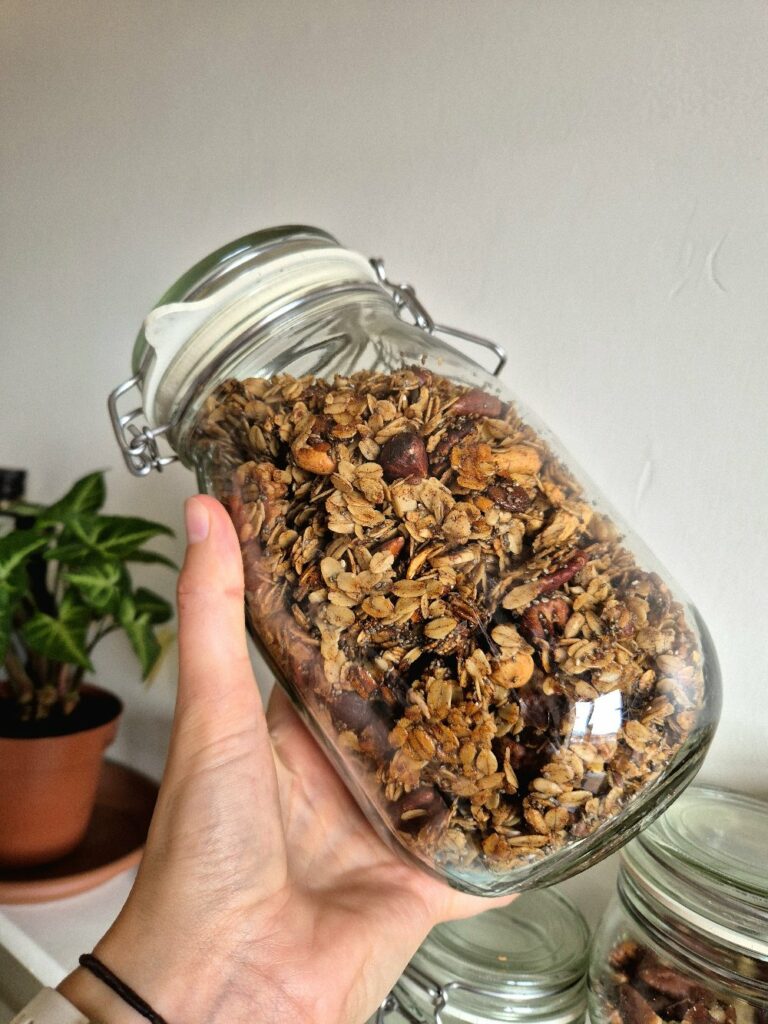
Every Day Granola Recipe
Every Day Granola Recipe Ingredients Method I love it served with greek yoghurt and fruit. See my Insta for more inspo.
Every Day Granola Recipe Read More »


Every Day Granola Recipe Ingredients Method I love it served with greek yoghurt and fruit. See my Insta for more inspo.
Every Day Granola Recipe Read More »
Weight Loss Medications – what you need to know Written by Nutrition Student Freya Torkildsen, reviewed by Niamh Dunne (RNutr) Introduction Originally developed to treat Type 2 Diabetes, weight-loss medications such as Wegovy and Monjaro, known scientifically as Glucagon-like peptide-1 receptor agonists (GLP-1s), have become increasingly popular in recent years as treatments for people struggling to lose excess weight. Between 2024 and 2025, an estimated 1.6 million adults in the UK used GLP-1 medications to support weight loss (Pumper, 2025). GLP-1 medications are licensed in the UK for specific medical conditions, including Type 2 diabetes and obesity. But should you take this medication for weight loss and cosmetic purposes? Maintaining a healthy weight, which supports overall health, is associated with a lower risk of developing numerous obesity related health conditions and cardiovascular disease, for example, heart failure. However, it’s not always as simple as eating less or moving more; for some people, weight-loss medications may be the safest or most accessible option. As the use of GLP-1’s for weight-loss continues to grow, some questions remain: what are they and how do they work in the body? What are the potential benefits or risks associated with the drug? This blog explores the scientific mechanisms behind GLP-1 medications and the potential benefits and risks associated with the drugs. What are GLP-1s and how do they work? GLP-1 drugs work by mimicking one of the natural hormones released after eating, glucagon-like peptide-1 (Morgan, 2024). This hormone helps to reduce appetite, slow digestion, and supports stabilisation of blood sugar levels (Pumper, 2025). By mimicking this hormone, GLP-1s help patients to feel fuller for longer and improve the body’s response to insulin, which can support fat loss (Health 360, 2025; Morgan, 2024). GLP-1’s are most often pre-filled injectables or in tablet form, taken once a week (Cleveland Clinic, 2023). In the UK, the typical prescribed treatment duration when being used for weight loss is limited to two years (Bolt Pharmacy, 2026). As prescription only medications, GLP-1s should only be offered following an assessment from a healthcare professional. However, due to an increase in demand, the online market for the medications have increased, where some providers fail to carry out adequate assessments and others selling the medications illegally without a valid prescription. Current trends indicate that less than 200,000 patients are accessing GLP-1s through prescription from the NHS, compared to over 1.4 million accessing them privately (Namboowa, 2025). This increase in private access highlights the importance of ensuring that these medications are accessed safely and from legitimate sources. Before starting GLP-1 medications, it’s important to be well informed before accessing the medication as it’s common for unregulated sellers, for example from beauty salons or on social media, to offer the drug without any medical oversight. This is risky as people may be given fake or unsafe versions of the medication, or they may be given it despite having no clinical need for it. These situations can lead to serious health consequences, which is why proper medical guidance and prescriptions are non-negotiable before taking GLP-1s. It’s important to note that these medications don’t switch off hunger; they simply make it easier to feel satisfied with less food. GLP-1s should be used as a catalyst for lifestyle change and therefore good nutrition alongside regular exercise is essential when seeking long term health benefits and preventing nutritional deficiencies (University of Cambridge, 2026). Because these medications suppress appetite, some people may find it harder to consume enough food to meet their daily nutrient requirements. This makes it especially important to prioritise nutrient dense foods while maintaining good dietary habits alongside treatment. There is still some stigma around GLP-1 use due to the common notion that taking the medication is ‘the easy way out’ compared to traditional diet and exercise approaches to weight loss (Jensen et al., 2025). However, these drugs work by targeting biological pathways which affect appetite, satiety and blood glucose regulation, mechanisms which lifestyle changes can’t always target alone. Additionally, exercise and dietary changes may not be the most accessible option for everyone, for example if someone has a physical disability or food allergies they may find they are unable to fully change their lifestyle, taking weight-loss medication to be the most effective option for achievable results. Benefits of GLP-1s GLP-1s are well established for their benefits for Type 2 Diabetes treatment and obesity; however, research has shown that their benefits expand beyond weight loss and blood sugar control. Studies have linked GLP-1s to reduced rates of heart failure, stroke, myocardial infarction, diabetic kidney disease, metabolic liver disease, osteoarthritis peripheral vascular disease, and obstructive sleep apnea (Gonzalez-Rellan and Drucker, 2025). Alongside these clinical benefits, many people see improvements in confidence, ability to be physically active, and motivation to maintain a healthy lifestyle. These changes can make someone’s everyday life more accessible and empowering. Risks associated with taking GLP-1s While GLP-1s can be very effective, there are potential risks which are important to be aware of: Alongside physical risks, some people may experience mental-health-related side effects such as increased body dissatisfaction, body dysmorphia, or development of an increased focus on food and weight, which can lead to disordered eating patterns. These side effects are not likely for everyone, but it’s important to consider in a culture where weight loss is often idealised. Cost is another important consideration. For individuals accessing GLP-1s privately, treatment can be expensive, often exceeding those of maintaining a nutritious and balanced diet. (GOV.UK, 2025) GLP-1s have also been described as a ‘lifelong treatment’, mainly because weight regain is common once the medication is stopped (Celletti, Farrar, and De Regil, 2025). This reflects how the body is trying to return to its previous weight as appetite comes back. Finally, it’s important to consider that the risks and benefits of GLP-1 medications can vary widely between individuals, and the research is still evolving. The long-term effects are still not fully confirmed yet as it is only recently that this weight loss drug has been accessible. Precautions
Weight Loss Medications – what you need to know Read More »
Intuitive Eating vs Mindful Eating Written by Freya Torkildsen Introduction Although these dietary models overlap in their philosophies and attitudes towards eating, Mindful Eating is not the same as Intuitive Eating. Mindful Eating involves adopting techniques to become fully present with your food, mind and body, while Intuitive Eating is more about healing your relationship with food and responding to your body’s needs in the moment. Diet culture doesn’t take these ideologies into consideration when in fact they are some of the most logical approaches for achieving a healthy relationship with food while simultaneously gaining more knowledge of how to eat healthily while acknowledging your biological needs. What is Intuitive Eating? Intuitive Eating is a weight neutral approach to food and eating behaviours that places strong emphasis on rejecting the toxic restrictive mindset created by diet culture. There are key principles of Intuitive Eating aimed to help heal negative attitudes and relationships with food. These include: Instead of falling for dieting tips which encourage food restriction as the best way to achieve your dream body, intuitive eating encourages rejecting this harmful mindset and replacing it with more compassion to your body. Honor your hunger. Keeping a sufficient intake of energy and carbohydrates supports your body’s natural rhythms and prevents eating beyond a comfortable fullness. When you are consistently and sufficiently nourished, your hunger and fullness cues become clearer. Having a safe and relaxed environment with food makes it easier to notice when you’ve reached both physical and emotional satisfaction. When eating feels comfortable instead of stressful, your natural hunger and fullness cues become clearer, helping you recognise the point in which food no longer becomes enjoyable. This helps to gain a better perspective with food and avoid over or under eating. Listen to the biological signals which your body gives you when you are no longer hungry, whether this be your stomach physically expanding or when you feel slightly breathless, this helps to prevent feelings of uncomfortable fullness. These signals are always present and help to create a calmer eating environment. The ‘food police’, also known as your own psyche, may have unreasonable toxic attitudes towards food which have been built up over time by the media we consume and the people we talk to. The ‘food police’ creates negative self talk and habits which can delay building a healthy relationship with food. If you start telling yourself you shouldn’t have certain foods, it can lead to intense feelings of deprivation which cause cravings and often bingeing, which can ultimately lead to feelings of guilt. Making peace with what you eat will help with creating a better relationship with food. Emotional eating can occur as a result of our stress. Finding alternative ways to handle our emotions without turning to unhealthy eating habits (whether this be overeating or restricting) helps to gain a better relationship with food as it is not being used as a tool to fix your problems. Dealing with the source of the negative emotion is the best way to prevent a toxic cycle of bingeing and restricting. Respecting your body for the way it is and accepting it no matter the size is the only way to make peace with eating. It’s hard to reject diet culture mentality if you are overly critical of your body, your body deserves respect no matter if it is not society’s ‘dream body’. Rather than hyperfixating on the calorie-burning effects of exercise, focus on how it feels to move your body and what makes you feel energised. Make food choices which respect your wellbeing and taste preferences, while being attentive to how food makes your body feel. You don’t have to eat perfectly to be healthy, it’s eating healthily consistently over time which makes the difference, a meal at pizza express won’t ‘ruin’ your progress. (Intuitive eating pros, n.d; Harris, 2023) How to eat intuitively It’s difficult to have a weight neutral approach to eating when you are constantly bombarded by media which idolises thinness and promotes weight loss. Get rid of those dieting apps and books, unfollow toxic food influencers and excuse yourself from negative conversations concerning bodies and dieting. Detoxing yourself from these spaces helps bring your focus back to your physical and emotional needs, alleviating some pressure from the dieting world. Take note of the way you speak to yourself about your body and food choices. This could be simply when you say ‘I shouldn’t eat this’, instead saying ‘What am I hungry for right now?’. Ignore the negative voice in your head spurring diet culture nonsense in your ear and practice neutralising these voices by speaking more kindly to yourself. One of the best ways to incorporate gentle nutrition into your meals is to add nutrient dense foods to your plate instead of taking away food. For example with a burger you may opt for some salad on the side or opt for a fibre rich bean burger instead. Allow yourself to eat food you are genuinely in the mood for instead of telling yourself what you can’t have, this way you’ll likely be able to better understand your body’s hunger and fullness cues. It’s always better to ensure you are eating a sufficient amount than not enough. If you feel you may have overestimated your hunger, food can be reused another day as leftovers. (Harris, 2023) What is Mindful Eating? Jon Kabat-Zinn defines mindfulness as ‘the awareness that arises through paying attention, on purpose, in the present moment, non-judgementally.’ (Mindful Staff, 2019). This can be applied to food practices. Mindful Eating describes being fully present during mealtimes and tuning into your body, mind and food without judgement (Harris, 2023). The intention is to help individuals savor their food in the moment and encourage being fully present for the eating experience, the goal is not to lose weight (Nelson, 2017). Research has shown many benefits to mindful eating such as: (Warren, Smith and Ashwell, 2017) These are the key attitudes when it comes to
Intuitive Eating vs Mindful Eating Read More »
Fuel Your Cycle: A Nutritionist’s Guide to Eating for Your Menstrual Cycle Written by Freya Torkildsen Introduction If you’ve ever wondered why you find yourself experiencing intensified cravings before your period or why your hunger patterns change from week to week, you’re not lacking ‘willpower’, the answer instead lies in your hormones. Despite the commonality of these appetite changes, they are often misunderstood or dismissed. In this blog we will uncover the science behind these cyclical appetite changes to help you gain a better understanding of your body and offer practical ways in which to support it during hormonal fluctuations which occur throughout the menstrual cycle. Hormonal explanations Cravings tend to peak in the days leading up to your period, it’s not because you’ve ‘lost control’, it’s because your body is dealing with major hormonal changes. Hormonal fluctuations during the menstrual cycle have shown to cause significant alterations in eating habits, food intake and preferences. These alterations can be traced back to the hormones oestrogen and progesterone which play an important role in metabolic regulation (Candan, Metin and Tengilimoglu-Metin, 2025). Increased oestrogen levels occur during the follicular phase of the menstrual cycle (Days 3-7 to 12) to prepare the body for potential pregnancy. This hormonal surge has various metabolic influences which can contribute to a reduced appetite and greater dietary restraint (Nowak et al., 2020). After ovulation (Days 12-16), progesterone rises significantly before it eventually falls in the late luteal phase. This rise in progesterone stimulates appetite, therefore explaining why you may feel more hungry at the beginning of your luteal phase (Hirschberg, 2012). (TRAININGPEAKS, n.d.) As the cycle progresses into the luteal phase (Day 16-28), levels of progesterone and oestrogen hormones begin to drop, signalling that pregnancy did not occur. This decline can cause your mood to dip and increase irritability, anxiety and fatigue which can cause your brain to seek quick comfort (Candan, Metin and Tengilimoglu-Metin, 2025). These changes also influence serotonin, also known as our happy hormone. Serotonin is a neurotransmitter, a chemical messenger which carries nerve signals between the brain and the body, which has influence over our mood. Reduced serotonin availability can increase vulnerability to emotional eating habits and increased cravings for carbohydrate rich foods, which provide temporary energy and mood improvements (Harland, 2025; Candan, Metin and Tengilimoglu-Metin, 2025). Your body isn’t being dramatic, it’s trying to improve your mood and stabilise your energy in the fastest way possible. So if you’re craving pasta, pizza, chocolate or anything beige and comforting, it’s not a personal unhealthy failure, it’s biology doing exactly what it’s designed to do. Together these mechanisms explain why hunger and cravings vary so predictably throughout the menstrual cycle. Diet Culture and its Lack of Consideration for the Menstrual Cycle Diet culture with its fixation on restriction, weight loss and ‘good’ vs ‘bad’ foods, often disregards the natural cyclical needs of the body, which can result in hormonal imbalances, worsened premenstrual symptoms (PMS) and menstruation cessation in extreme cases (Carroll, 2022). The pressures introduced in a dieting environment can also exacerbate body dissatisfaction and dysmorphia, which often become more pronounced during the PMS phase due to heightened emotional sensitivity (Sharkey, 2020). Instead of supporting your body through these physical and emotional shifts, diet culture encourages self criticism at a time where nourishment and compassion are most needed. Your menstrual cycle is a period of increased physiological and psychological demand and should not be a time to feel worse in your body, but instead an opportunity to respond to your body’s biological needs with care. What your body needs at each phase Menstrual phase During this stage of your cycle it’s important to replenish the nutrients lost after bleeding. Iron rich foods should be the focus during this phase as well as B vitamins to support energy levels (Care, 2023). Foods rich in Omega-3 and magnesium are also important to ease cramping (Care, 2023). Iron rich foods: B vitamin rich foods: Omega-3 rich foods: Magnesium rich foods: Follicular phase Magnesium levels are often lowest during this phase, so it’s important to prioritise magnesium rich foods in your diet during this time. As oestrogen levels are increasing during the follicular phase, magnesium rich foods can reduce PMS symptoms and reduce heavy periods (Ilchovska, n.d.). Magnesium rich foods along with fruits, vegetables and wholegrains can provide the necessary nutrients needed during this phase. Ovulation phase This phase is the only time during the menstrual cycle in which pregnancy can occur, oestrogen peaks during this phase (Ilchovska, n.d.). High fibre foods and antioxidants can support hormonal balance during this phase (Ilchovska, n.d.). Fibre rich foods: Antioxidant rich foods: Luteal phase During the luteal phase, progesterone levels peak. If pregnancy does not occur, this phase is associated with PMS symptoms as your body prepares for your next period (Ilchovska, n.d.). Magnesium can help reduce painful PMS symptoms, like cramps, by relaxing the uterus and lowering prostaglandins (chemical messengers which regulate inflammation and pain) (Falcke, 2018). Foods rich in B vitamins and healthy fats can also support mood and hormonal balance (Care, 2023). Foods rich in healthy fats: B vitamin rich foods: Free recipes to help you include these nutrients Conclusions Understanding how your appetite, cravings and energy levels shift throughout your menstrual cycle is not about ensuring more ‘self discipline’ when it comes to what you’re eating, it is about recognising and responding to the biological changes your body is experiencing. Hormonal fluctuations in oestrogen, progesterone and serotonin have substantial influences on mood and metabolism, meaning that appetite changes are not something to be demonised, instead they should be treated as predictable physiological changes. When diet culture dismisses these hormonal changes or encourages restrictive dietary habits at times of increased physiological demand, it can intensify both physical and emotional PMS symptoms. Instead, work with your cycle by focusing on nourishing your body according to each phase’s needs and responding with compassion rather than criticism can support hormonal balance, mood stability and overall wellbeing. Your menstrual cycle is
Fuel Your Cycle: A Nutritionist’s Guide to Eating for Your Menstrual Symptoms Read More »
What are Ultra-Processed Foods (UPFs)? Written by Freya Torkildsen Introduction When looking for dietary advice, the phrase ‘avoid ultra-processed foods’ is often thrown around as one of the rules for having a healthy diet, but what does that actually mean? And are all processed foods really that bad for our health? Ultra-processed foods, in particular, have become a growing concern in public health. Regularly consuming these foods has been linked to poor overall diet quality and an increasing number of negative health issues; therefore, they are an important topic to understand in today’s food environment. What are Ultra-Processed Foods? Ultra-processed foods (UPFs) are foods which contain a formulation of ingredients, typically created via a series of industrial processing techniques to create a product which bears little resemblance to the original ingredients. In other words, UPFs contain one or more ingredients that wouldn’t be found in your kitchen, such as chemical based preservatives, emulsifiers, sweeteners and artificial colours and flavours (Coulson, 2025). Examples of UPFs may include sweetened breakfast cereals, energy drinks, ready meals or sweets. These foods are often very convenient, palatable and widely available, which helps explain why they make up a substantial portion of people’s diets. However, it’s important to recognise that food processing itself is not inherently harmful. In fact, many food processing techniques play important roles in food safety, nutrition and affordability. For example: (Food Standards Agency, 2024) Processing can also improve a food’s taste and texture, increase its shelf life and make food more affordable and accessible. Understanding the difference between necessary processing and ultra-processing is key. Ultra-processed Foods vs Processed Foods The terms ‘processed’ and ‘ultra-processed’ are used to describe how a product has been made rather than how healthy it is. According to the Department of Agriculture, processed foods are any raw agricultural commodities altered from their original state. This includes, washing, cutting, heating, canning, freezing, packaging etc. For example, pre-washed, peeled and chopped carrots are an example of a product which has been processed. While processing includes these basic steps, foods are considered ultra-processed when they contain preservatives, flavourings and food additives. The Nova food classification system defines food into four categories ranging from least to most processed: (Harguth, 2024) Why Ultra-Processed Foods Aren’t All ‘Bad’ for Us UPFs are typically portrayed as something we should avoid entirely, but the reality is far more nuanced. Not all processed foods or even all UPFs are inherently harmful. In fact, many foods that support a healthy diet undergo some degree of processing. Several everyday staple foods fall into this category: These products demonstrate that processing in itself isn’t the issue, and in many cases they help to address nutritional gaps and increase accessibility. When UPFs become problematic UPFs become problematic when they dominate the contents of our diet. Recent evidence indicates that UPFs contribute to approximately 50% of total dietary intake in children, highlighting how prevalent these products have become within modern eating patterns (Warrender, 2024). Foods with poor nutrient density, high sugar and fat contents in excess are when health issues can arise. Being selective about the types of processed foods we choose can make a meaningful difference. For example: A Balanced Approach is More Realistic than Total Avoidance Completely avoiding UPFs is neither practical nor necessary. A more sustainable approach is to prioritise balance and moderation. Overly restrictive rules can lead to cycles of guilt surrounding food, bingeing or yo-yo dieting, whereas flexible, more informed choices can support long-term healthy dietary patterns. Read our blog on ‘Ditching Diets – Why Dieting Is Designed To Fail’ The UK’s Eatwell Guide (pictured below) reflects this approach. It emphasises limiting foods and drinks high in fat, sugar and or salt, many of which fall into the UPF category. By following these guidelines, we are also likely to reduce the amount of UPFs we are consuming without eliminating them entirely from our diet (Food Standards Agency, 2024) (GOV.UK, 2016) Conclusions UPFs cover a wide and varied group of food products. While some UPFs are unhealthy and may not hold high nutritional value, others can still form part of a balanced diet. For example a ready meal high in saturated fat or salt is classed as Ultra-processed, but so is a shop-bought wholegrain loaf of bread, a food which can contribute positively to dietary intake. Rather than focusing on eliminating all UPFs, a more realistic and evidence-based approach is to consider overall dietary patterns. Increasing mindful food choices and aligning eating habits with supported guidance such as the Eatwell Guide provides a practical reality for improving diet quality without unnecessary restriction. If you want further support and accountability, speak with a Registered Nutritionist or Dietitian. References Coulson, M. (2025). What Are Ultra-Processed Foods? | Johns Hopkins Bloomberg School of Public Health. [online] Johns Hopkins Bloomberg School of Public Health. Available at: https://publichealth.jhu.edu/2025/what-are-ultra-processed-foods [Accessed 7 Jan. 2026]. Food Standards Agency (2024). Ultra-processed Foods | Food Standards Agency. [online] www.food.gov.uk. Available at: https://www.food.gov.uk/safety-hygiene/ultra-processed-foods [Accessed 7 Jan. 2026]. Gov.UK (2016). The Eatwell Guide . Gov.UK. Available at: https://www.gov.uk/government/publications/the-eatwell-guide [Accessed 10 Jan. 2026]. Harguth, A. (2024). What you should know about processed foods. [online] www.mayoclinichealthsystem.org. Available at: https://www.mayoclinichealthsystem.org/hometown-health/speaking-of-health/processed-foods-what-you-should-know [Accessed 8 Jan. 2026]. Warrender, E. (2024). A new study shows ultra-processed food makes up 59% of children’s food. [online] Open Access Government. Available at: https://www.openaccessgovernment.org/a-new-study-shows-ultra-processed-food-makes-up-59-of-childrens-food/183825/ [Accessed 12 Mar. 2026]. Follow me on Instagram
What are Ultra-Processed Foods (UPFs)? Read More »
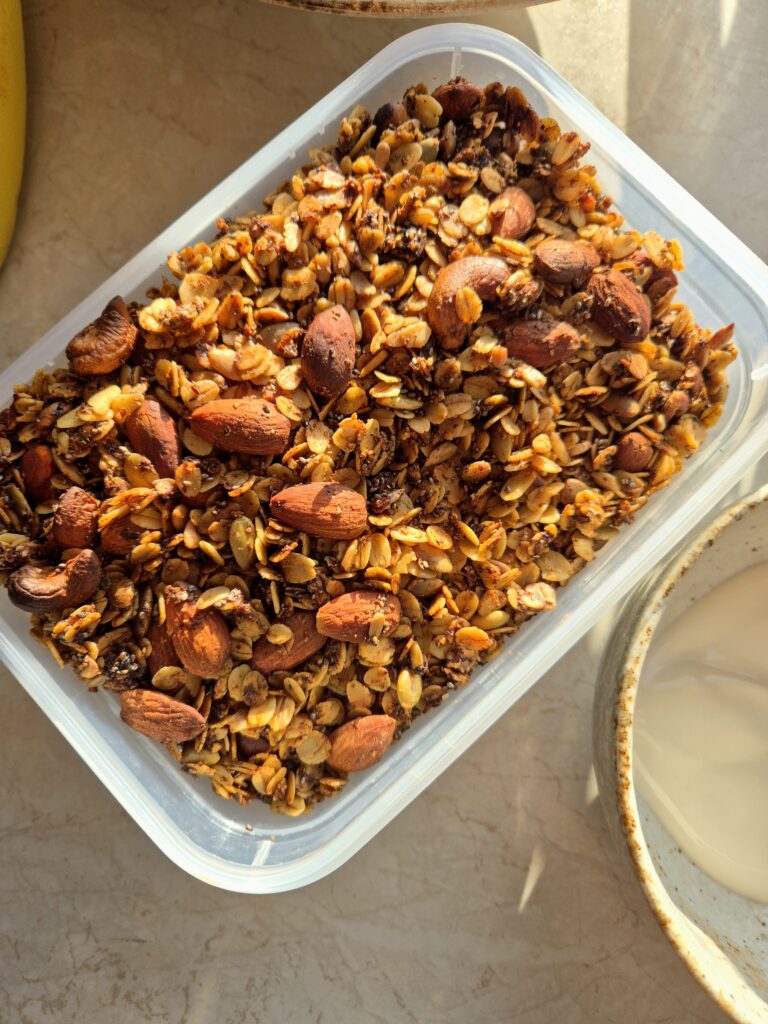
Low Sugar Granola Paired with kefir, banana and kiwi to support your gut health and immune system. Read more on how certain nutrients can keep your immune system strong and healthy here. My granola is so good and this recipe makes a big batch for you to enjoy across the week so you don’t have to think about what you’re going to eat for breakfast! If you are wanting a sweeter version, try my pecan granola recipe It has a short prep time (however long pouring everything into a bowl and mixing takes you!) and then 30 mins to bake whilst you relax, workout or work! I hope you enjoy it as much as I do. It’s high in protein, fibre, unsaturated (healthy) fats, magnesium, iron, B vitamins and selenium. It gives us sustained energy and helps to regulate our blood sugar levels so we won’t get energy dips or cravings! Ingredients Method Follow me for more recipes
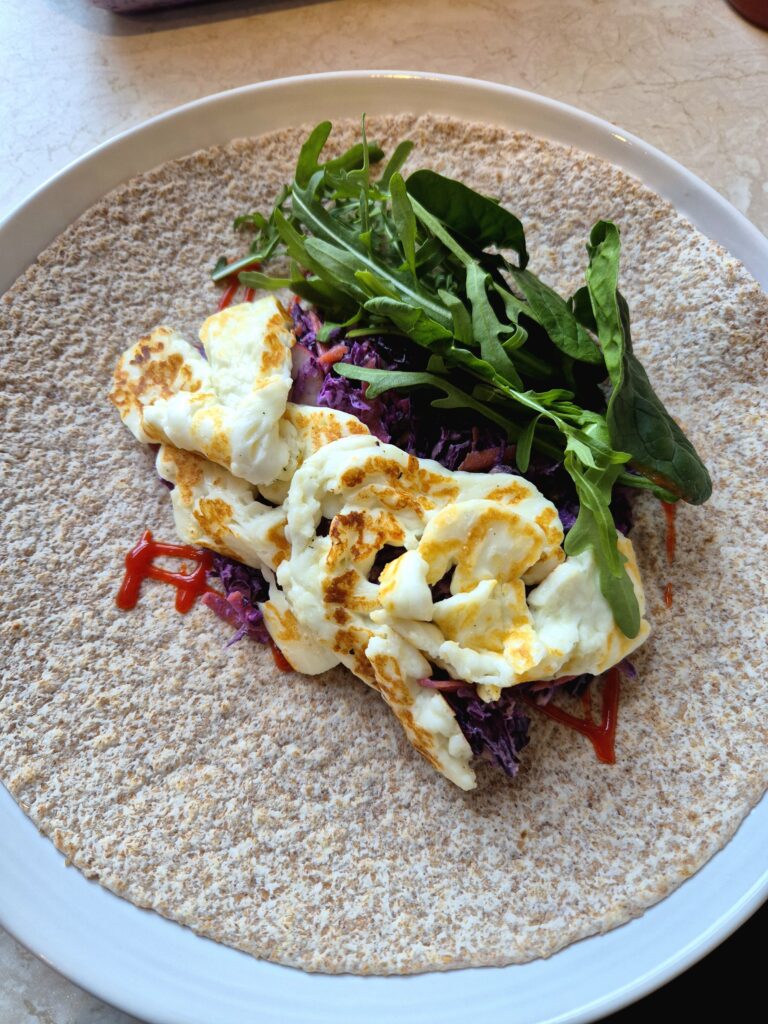
Halloumi & Slaw Wrap Serves 1 Ingredients Combine all the ingredients into the wrap, roll up and enjoy as a really delicious and quick lunch Choosing wholegrain wraps are a great nutritional swap because they contain more fibre. In the UK, 96% aren’t consuming enough fibre! Choosing a mixed bag of salad leaves increases the variety of plants we get which will make our gut microbes happy, supporting gut health. For more tips and balanced recipes check out my Instagram
Halloumi & Slaw Wrap Read More »

Healthy Banana Pancakes Serves 2 Ingredients Toppings: Method For more recipes, see my Instagram
Healthy Banana Pancakes Read More »
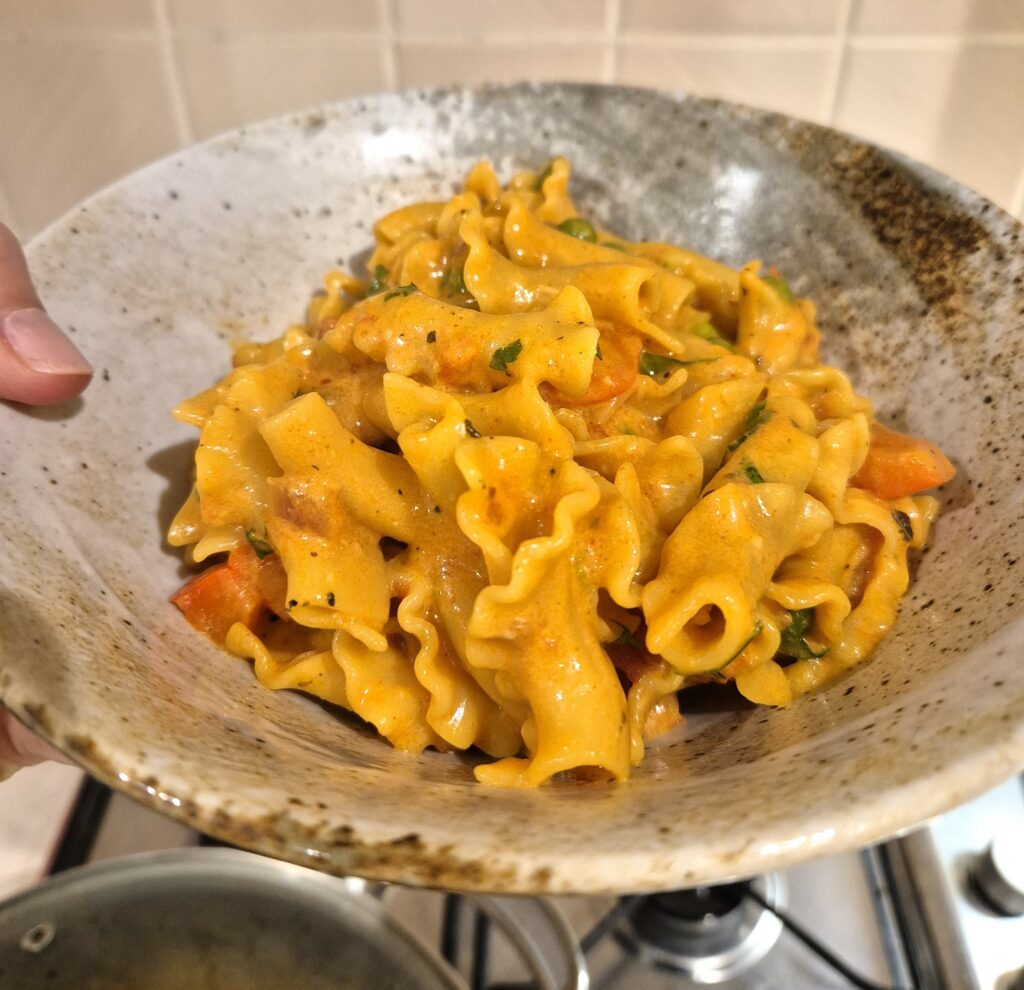
Delicious Peri-Peri Pasta One Pot This delicious peri-peri one pot pasta dish is so delicious and healthy. Everything is cooked in one pot so washing up is minimal! This recipe is perfect for busy families who need a meal that’s nourishing and easy. Serves 2 Ingredients Method: Greek yoghurt is a healthier swap to double cream which would usually be used in this recipe and similar recipes. Greek yoghurt is a good source of calcium, iodine and dairy and lower in saturated fat compared to cream supporting heart health and weight management. For more recipes, visit my Instagram
Peri-peri One Pot Pasta Read More »
Nutrients That Support Immune Function Written by Freya Torkildsen Introduction What we eat has a powerful impact on our health, and the nutrients within our food play a key role in supporting our bodily functions. As we progress through the winter months and cold and flu season peaks, being more mindful of the nutrients we consume becomes increasingly important, as they can help support our immune health. When we don’t get enough of these nutrients, there is an increased risk of disease and infections due to an ill-functioning immune system (Munteanu and Schwartz, 2022). Key nutrients for a healthy immune system There are several key vitamins and minerals which play a crucial role in supporting immune function, helping the body defend itself against infection and illness. These key nutrients include: These vitamins and minerals play an important role in keeping your immune system strong. They help your body produce and support immune cells, reduce inflammation, and protect your cells from damage caused by oxidative stress – a natural process that can harm cells over time (National Cancer Institute, 2011). When oxidative stress builds up, it may contribute to long-term health problems. By helping to keep this process in balance, these nutrients support your body’s ability to fight off infection and stay well (British Heart Foundation, 2020; National Institutes of Health, 2023). How can you incorporate these into your diet? Vitamin A : Cheese, Eggs, oily fish (such as salmon, sardines, trout, or mackerel), fortified low-fat spreads B Vitamins : Pork, Poultry, Peanuts, soya beans Broccoli, brussels sprouts, leafy green vegetables (such as cabbage, kale, and spinach), peas Meat, fish, milk, cheese Vitamin C : citrus fruit, peppers, strawberries, blackcurrants Vitamin D : The body creates Vitamin D from direct sunlight on the skin outdoors; therefore, supplementing 10mcg daily is the most effective way to reach the daily recommendations. However vitamin D is also found in a small number of foods: oily fish, red meat, egg yolks, fortified foods (such as some fat spreads and breakfast cereals) & liver Copper : Nuts, Shellfish, offal Iron : Liver, red meat, beans, nuts Selenium : brazil nuts, fish, meat, eggs Zinc : Meat, shellfish, dairy foods, bread (NHS , 2020) 4 recipes to help incorporate these nutrients into your diet The recipes below are designed to help you easily incorporate the key vitamins and minerals that support a healthy immune system into your everyday diet. Sweet Potato & Lentil Soup This nutrient-dense soup is packed with a variety of vitamins and minerals that contribute to immune function: You can find the full recipe here Thai Spiced Butternut Squash Soup For those who prefer a bit more spice, this soup is also packed with a variety of nutrients which contribute to a healthy immune system: You can find the full recipe here Salmon, lemony asparagus, roasted vegetables and mash This colourful, nutrient rich bowl provides a large range of essential immune boosting nutrients: You can find the full recipe here Roasted salmon with sesame & cannellini beans This hearty meal provides a rich mix of immune boosting ingredients: You can find the full recipe here Conclusion The amount and type of nutrients we consume are directly linked to the health of our immune system; a weakened immune system may be connected to inadequate nutritional intake. It’s crucial to include these vital vitamins and minerals for immune support if you want to ensure your immune system continues to be an optimal environment for preventing illness and infection. Reference list British Heart Foundation (2020). Boosting immunity. [online] Bhf.org.uk. Available at: https://www.bhf.org.uk/informationsupport/heart-matters-magazine/nutrition/ask-the-expert/boosting-immunity [Accessed 2 Feb. 2026]. Munteanu, C. and Schwartz, B. (2022). The Relationship between Nutrition and the Immune System. Frontiers in Nutrition, [online] 9(1), pp.1–23. doi:https://doi.org/10.3389/fnut.2022.1082500. National Cancer Institute (2011). Oxidative Stress. [online] www.cancer.gov. Available at: https://www.cancer.gov/publications/dictionaries/cancer-terms/def/oxidative-stress [Accessed 14 Feb. 2026]. National Institutes of Health (2023). Office of Dietary Supplements – Dietary Supplements for Immune Function and Infectious Diseases. [online] ods.od.nih.gov. Available at: https://ods.od.nih.gov/factsheets/ImmuneFunction-HealthProfessional/ [Accessed 2 Feb. 2026]. NHS (2020). Overview – Vitamins and minerals. [online] NHS. Available at: https://www.nhs.uk/conditions/vitamins-and-minerals/ [Accessed 2 Feb. 2026].
Nutrients That Support Immune Function Read More »