
Can Our Diet Help Manage Menopause Symptoms?
Written by Millie Rose
What is menopause?
Menopause occurs when the hormone estrogen reduces and your period eventually stops. This usually occurs between 45 and 55, although it can happen earlier. It can happen naturally or surgically, by hysterectomy. In the lead up to menopause, you may begin to have symptoms but still have periods, this is called perimenopause. After 12 months without a period, menopause is determined.
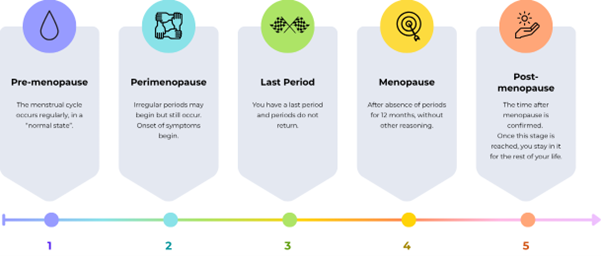
Made using Canva
What symptoms does menopause cause?
Menopause and perimenopause can be difficult for many women, causing anxiety, brain fog, hot flushes, and irregular periods. Many women have these symptoms during perimenopause and after menopause. As well as this, a lot of women also struggle with weight gain during this time.
HRT, hormone replacement therapy, is a common treatment prescribed by doctors to treat symptoms of menopause or perimenopause. This treatment works by increasing the levels of oestrogen, a hormone that naturally decreases at menopause.
(NHS, 2019)
While HRT can be used to treat symptoms, many women still struggle with weight gain at menopause. For women in menopause, or perimenopause, it may be useful to use a combination of HRT and small changes in dietary habits to improve symptoms. As well as this, at menopause, there are some nutrients that may need more attention to, in order to protect your body.
This blog will delve into key nutrients at menopause, how your diet can affect symptoms, how to eat for your symptoms and behaviour techniques to keep menopause weight off; to make you feel the most comfortable in your body.
Read until the end for a sample menopause meal plan!
Key nutrients at menopause
Vitamin D and Calcium
The reduction in estrogen can lead to reduced bone density, which can lead to osteoporosis, a disease which weakens bones and increases the chance of fractures (NHS, 2022). During this time, adequate consumption of calcium and vitamin D is vital. Adults need 700mg of calcium per day, this should be achieved through diet unless advised by a healthcare professional otherwise. In the UK, it is advised to take a 10mg vitamin D tablet per day during autumn and winter.
Foods high in Calcium include:
- Milk, cheese and dairy products
- Green leafy vegetables, such as kale, Bok choy, and cabbage
- Fortified foods, such as milk alternatives and bread
- Fish with bones, such as sardines and mackerel
(NHS, 2020)
Foods high in Vitamin D:
- Oily fish, such as salmon, sardines, and mackerel
- Red meat
- Eggs
- Fortified foods, such as butter spreads and cereals
- Liver
(NHS, 2020)
Magnesium
Women during menopause may feel more tired or fatigued, which may lead to increased need for naps during the day. When deficient in magnesium, these symptoms can be heightened.
Foods high in Magnesium:
- Green leafy vegetables, such as spinach
- Legumes
- Nuts
- Seeds
- Wholegrains, such as wholegrain rice and flour
(NHS, 2020)
B vitamins- B1, B5, B6
The different B vitamins are essential for heart function, mental performance and regulating hormones. This is vital during menopause when hormones are changing.
Foods high in B vitamins:
- Fresh fruit, such as bananas and oranges
- Nuts, such as peanuts
- Wholegrain breads
- Fortified breakfast cereals
- Eggs
- Vegetables, such as mushrooms, peas, and avocado
- Meats, such as pork, chicken, beef, liver (not safe when pregnant), and turkey
- Fish
- Soya beans
- Oats
- Milk
B vitamin sources (NHS, 2020)
Zinc
During menopause, some women experience dry skin, brittle hair, and nails. Zinc can improve this, as well as immunity and mood stability.
Foods high in Zinc:
- Meat
- Shellfish
- Dairy foods
- Bread
(NHS, 2020)
(BNF, 2022)
How can diet affect menopause symptoms?
The British Menopause Society have identified that caffeine, alcohol, and spices may increase hot flushes and disturb sleep (BMS, 2023).
Estrogen normally enhances the fullness hormone, leptin, and suppresses ghrelin, the hunger hormone, however both decrease at menopause. Due to the removal of some of the estrogen, the body is less sensitive to leptin, making it more difficult to know when you’re full and cravings increase, making it more likely for you to put on weight at menopause. There is evidence to show this in animals, but further research is needed for clarification in humans (Ainslie et al., 2001).
The British Dietetic Association have claimed that “increasing wholegrains, fruit, and vegetables, and reducing fat intake are moderately effective in reducing hot flushes.” They found these effects were also larger for women who also lost weight too.
Additionally, some evidence suggests having a healthy gut microbiome may affect hormone levels. To optimise your gut health, it is recommended to eat 30 different plant foods each week (BDA, 2019). This includes wholegrains, such as beans, lentils, nuts, seeds, herbs and spices. Even dark chocolate (>70% cocoa) and tofu count. The key here is variety. When purchasing peppers, purchase a selection of red, green, orange and yellow rather than just red. These will count as 4 (for 4 colours) plant points. Additionally, consuming fermented foods regularly such as sauerkraut, kimchi and kefir can improve our gut health.
Research shows that a Mediterranean style diet protects bone density, reduces the risk of heart disease, and supports a healthy diet at menopause (BNF, 2022). The Mediterranean style diet includes a diet rich in whole foods, such as fruits, vegetables, wholegrains, nuts, seeds, legumes, olive oil and fish.
Plant oestrogens, found in plants, such as soya beans, flax seeds and linseeds, may help at menopause as they help our gut bacteria (BDA, 2019). They do not feed the gut like fibre, but they use gut bacteria to be converted into compounds that mimic estrogen. This helps to reduce symptoms like hot flushes in some women.
Cholesterol tends to rise at menopause; this can affect your heart health (BDA, 2019). Read blog on Nutrition for Heart Health to make sure you are protecting your heart health.
Food habits
Sometimes it is not what you eat, but how you eat. Your behaviour and habits surrounding food can affect food choices and how much you eat. Creating intention with mealtimes, such as preparing a food shop with foods that make you feel good ensures you have those foods accessible when it comes to cooking.
Read blog ‘Do you need to change your behaviour around food?’ to read about:
- The psychology behind food choices
- How habits form and how to break unhelpful habits
- The role of social influences in eating
- Different types of motivation
- Nudges and practical tips for lasting behaviour change
10 tips to improve your symptoms with dietary changes:
- Reduce caffeine in your diet
- Reduce alcohol in your diet
- Eat mindfully- be present, engage in your hunger and fullness cues without distractions, such as the TV, eating on the go or while working
- Plan your food shop and plan purposeful meals
- Increase whole foods including, wholegrains, fruit, vegetables and legumes
- Fuel your gut: Aim for 30 different plant foods per week. Read why here
- Try eating Mediterranean style meals
- Watch your cholesterol: Aim for at least 1 plant oestrogen containing foods per day
- Aim for 1 calcium rich food per meal
- Take time, gradual changes will make a big difference in the long term!
Sample meal plan
Breakfast: Yoghurt with my Pecan, Almond & Cinnamon Granola
Lunch: My Rice Buddha Bowl
Dinner: My Salmon, lemony asparagus, roasted vegetables and mash
Snacks: My Crunchy Chocolate Quinoa Bites, my Delicious Veggie Sausage Rolls
Drinks: Water, unsweetened decaffeinated tea or coffee and Kombucha- a drink containing probiotics, meaning it feeds your gut. Look out for no added sugar varieties
Conclusion
So, can diet manage menopause symptoms? Yes, there is potential to ease symptoms during perimenopause and menopause by small changes to your diet. However, some women may benefit by using a combination of HRT and dietary changes, it’s very personal and what may work for one person might not work for you. Dietary changes suggested will help improve your general health too, so there is no harm in trying. Change can be difficult, and it takes time; it is natural for these changes to take place. Menopause does not mean you have to feel uncomfortable from symptoms or changes to your body. If you are struggling, please seek help from a nutritionist or healthcare professional.
References
Ainslie, D., Morris, M., Wittert, G., Turnbull, H., Proietto, J. and Thorburn, A. (2001). Estrogen deficiency causes central leptin insensitivity and increased hypothalamic neuropeptide Y. International Journal of Obesity, [online] 25(11), pp.1680–1688. doi:https://doi.org/10.1038/sj.ijo.0801806.
British Dietetic Association (2019). Menopause and Diet. [online] www.bda.uk.com. Available at: https://www.bda.uk.com/resource/menopause-diet.html.
British Menopause Society (2023). Menopause: Nutrition and Weight Gain. [online] Available at: https://thebms.org.uk/wp-content/uploads/2023/06/19-BMS-TfC-Menopause-Nutrition-and-Weight-Gain-JUNE2023-A.pdf.
British Nutrition Foundation. (2022). Managing menopause symptoms with nutrition and diet. [online] Available at: https://www.nutrition.org.uk/nutrition-for/women/menopause/managing-menopause-symptoms-with-nutrition-and-diet/.
Erdélyi, A., Pálfi, E., Tűű, L., Nas, K., Szűcs, Z., Török, M., Jakab, A. and Várbíró, S. (2024). The Importance of Nutrition in Menopause and Perimenopause—A Review. Nutrients, 16(1), p.27. doi:https://doi.org/10.3390/nu16010027.
Franco, O.H., Chowdhury, R., Troup, J., Voortman, T., Kunutsor, S., Kavousi, M., Oliver-Williams, C. and Muka, T. (2016). Use of Plant-Based Therapies and Menopausal Symptoms. JAMA, 315(23), p.2554. doi:https://doi.org/10.1001/jama.2016.8012.
NHS (2019). Treatment – Menopause. [online] NHS. Available at: https://www.nhs.uk/conditions/menopause/treatment/.
NHS (2020). B Vitamins and Folic Acid – Vitamins and Minerals. [online] NHS. Available at: https://www.nhs.uk/conditions/vitamins-and-minerals/vitamin-b/.
NHS (2020). Calcium – Vitamins and minerals. [online] NHS. Available at: https://www.nhs.uk/conditions/vitamins-and-minerals/calcium/.
NHS (2020). Vitamins and Minerals. [online] NHS. Available at: https://www.nhs.uk/conditions/vitamins-and-minerals/others/.
NHS (2020). Vitamin D – Vitamins and Minerals. [online] NHS. Available at: https://www.nhs.uk/conditions/vitamins-and-minerals/vitamin-d/.
NHS (2022). Osteoporosis. [online] NHS. Available at: https://www.nhs.uk/conditions/osteoporosis/.
Noll, P.R.E.S., Campos, C. a. S., Leone, C., Zangirolami-Raimundo, J., Noll, M., Baracat, E.C., Júnior, J.M.S. and Sorpreso, I.C.E. (2021). Dietary intake and menopausal symptoms in postmenopausal women: a systematic review. Climacteric: The Journal of the International Menopause Society, [online] 24(2), pp.128–138. doi:https://doi.org/10.1080/13697137.2020.1828854.
Vetrani, C., Barrea, L., Rispoli, R., Verde, L., De Alteriis, G., Docimo, A., Auriemma, R.S., Colao, A., Savastano, S. and Muscogiuri, G. (2022). Mediterranean Diet: What Are the Consequences for Menopause? Frontiers in Endocrinology, [online] 13. doi:https://doi.org/10.3389/fendo.2022.886824.